
Why Your Ankles Feel Sore After Skiing

Sore ankles after skiing are common because the ankles play an important role in balancing the body and guiding movement on the slopes. When ankle position is off, extra strain can build in the joints and surrounding tissues. Poorly fitted boots can add pressure and limit natural motion, increasing discomfort. Tendon irritation may also develop with repeated stress. Risk factors include fatigue, weak supporting muscles, and improper technique. Symptoms include soreness, swelling, stiffness, and reduced mobility. A podiatrist can assess alignment, recommend proper support, and provide treatment to relieve pain and prevent further injury. If your ankles are sore from skiing, it is suggested that you consult a podiatrist who can offer relief and treatment solutions, enabling you to return to this popular sport. 

Sports related foot and ankle injuries require proper treatment before players can go back to their regular routines. For more information, contact George Tellam, DPM of Ankle & Foot Associates. Our doctor can provide the care you need to keep you pain-free and on your feet.

Sports Related Foot and Ankle Injuries

Foot and ankle injuries are a common occurrence when it comes to athletes of any sport. While many athletes dismiss the initial aches and pains, the truth is that ignoring potential foot and ankle injuries can lead to serious problems. As athletes continue to place pressure and strain the area further, a mild injury can turn into something as serious as a rupture and may lead to a permanent disability. There are many factors that contribute to sports related foot and ankle injuries, which include failure to warm up properly, not providing support or wearing bad footwear. Common injuries and conditions athletes face, including:

  • Plantar Fasciitis
  • Achilles Tendinitis
  • Achilles Tendon Rupture
  • Ankle Sprains

Sports related injuries are commonly treated using the RICE method. This includes rest, applying ice to the injured area, compression and elevating the ankle. More serious sprains and injuries may require surgery, which could include arthroscopic and reconstructive surgery. Rehabilitation and therapy may also be required in order to get any recovering athlete to become fully functional again. Any unusual aches and pains an athlete sustains must be evaluated by a licensed, reputable medical professional.

If you have any questions please contact our offices located in Orange Park and Jacksonville Beach, FL . We offer the newest diagnostic and treatment technologies for all your foot and ankle needs.

Read more about Sports Related Foot and Ankle Injuries

Swelling of the Feet and Fluid Buildup

Swelling of the feet can occur for several reasons related to circulation, fluid balance, or underlying health conditions. This condition, known as edema, develops when excess fluid collects in the tissues of the lower extremities. These help to support body weight and assist in returning blood toward the heart. Common causes of swelling include prolonged standing or sitting, injury, or medical conditions that affect how fluid is regulated in the body. The feet may appear puffy or enlarged, and the skin can feel tight or look shiny. Some people notice an indentation after pressing on the area. A podiatrist can evaluate the swelling through a physical exam and may recommend imaging or coordinate care to determine contributing factors. Treatment options include compression, elevation, and supportive footwear. Targeted exercises to improve circulation and reduce fluid buildup may be suggested. If your feet have become swollen, it is suggested that you schedule an appointment with a podiatrist who can determine what the cause is, and offer appropriate relief tips.

Swollen feet can be a sign of an underlying condition. If you have any concerns, contact George Tellam, DPM of Ankle & Foot Associates. Our doctor can provide the care you need to keep you pain-free and on your feet.

Swollen feet are a common ailment among pregnant women and people who stand or sit for extended periods. Aging may increase the possibility of swollen feet and patients who are obese often notice when their feet are swelling too. There may be medical reasons why swollen feet occur:

  • Phlebitis - A condition that causes the veins to become inflamed and can also cause leg pain.
  • Liver disease - This may lead to low blood levels of albumin which is a protein. This can cause fluid in the blood to pass into the tissues and several areas of the body can become swollen.
  • Heart failure - When the heart doesn’t pump properly the blood that is normally pumped back to the heart can pool in the veins of the legs causing swollen feet.
  • Kidney disease - One of the main functions of the kidneys is releasing excess fluid in the body. This type of condition can make it difficult for the kidneys to function properly, and as a result the feet may become swollen.
  • Deep-vein thrombosis (DVT)- This is a serious condition where blood clots form in the veins of the legs. They can block the return of blood from the legs to the heart which may cause the feet to swell. It is important to be treated by a podiatrist if this condition is present.

Swollen feet can also be caused by bone and tendon conditions, including fractures, arthritis, and tendinitis. Additionally, there may be skin and toenail conditions and an infection may cause the feet to swell. Patients who take medicine to treat high blood pressure may be prone to getting swollen feet. 

Many patients elevate their feet to help relieve the swelling and this is generally a temporary remedy. When a podiatrist is consulted the reason behind the swelling can be uncovered and subsequently treated.

If you have any questions please contact our offices located in Orange Park and Jacksonville Beach, FL . We offer the newest diagnostic and treatment technologies for all your foot and ankle needs.

Read more about Swelling of the Feet

Causes of Corns and Calluses

Corns and calluses are areas of thickened skin that develop as a protective response to repeated friction and pressure, often caused by mechanical stress from wearing poorly fitting shoes. Calluses are usually larger, flatter, and form on weight-bearing areas. Corns are smaller, deeper, and can cause significant pain and inflammation. Hard corns develop on the tops of toes or pressure points, and feel dense, while soft corns form between toes where moisture keeps them pliable and tender. Risk factors include improper footwear, foot deformities, and prolonged standing. A podiatrist can safely reduce thickened skin, relieve discomfort, and recommend proper footwear. If you have developed a corn that has become painful, it is suggested that you consult a podiatrist who can offer effective relief and prevention tips.

Corns can make walking very painful and should be treated immediately. If you have questions regarding your feet and ankles, contact George Tellam, DPM of Ankle & Foot Associates. Our doctor will treat your foot and ankle needs.

Corns: What Are They? And How Do You Get Rid of Them?
Corns are thickened areas on the skin that can become painful. They are caused by excessive pressure and friction on the skin. Corns press into the deeper layers of the skin and are usually round in shape.

Ways to Prevent Corns
There are many ways to get rid of painful corns such as:

  • Wearing properly fitting shoes that have been measured by a professional
  • Wearing shoes that are not sharply pointed or have high heels
  • Wearing only shoes that offer support

Treating Corns

Although most corns slowly disappear when the friction or pressure stops, this isn’t always the case. Consult with your podiatrist to determine the best treatment option for your case of corns.

If you have any questions, please feel free to contact our offices located in Orange Park and Jacksonville Beach, FL . We offer the newest diagnostic and treatment technologies for all your foot care needs.

Read more about Everything You Need to Know About Corns

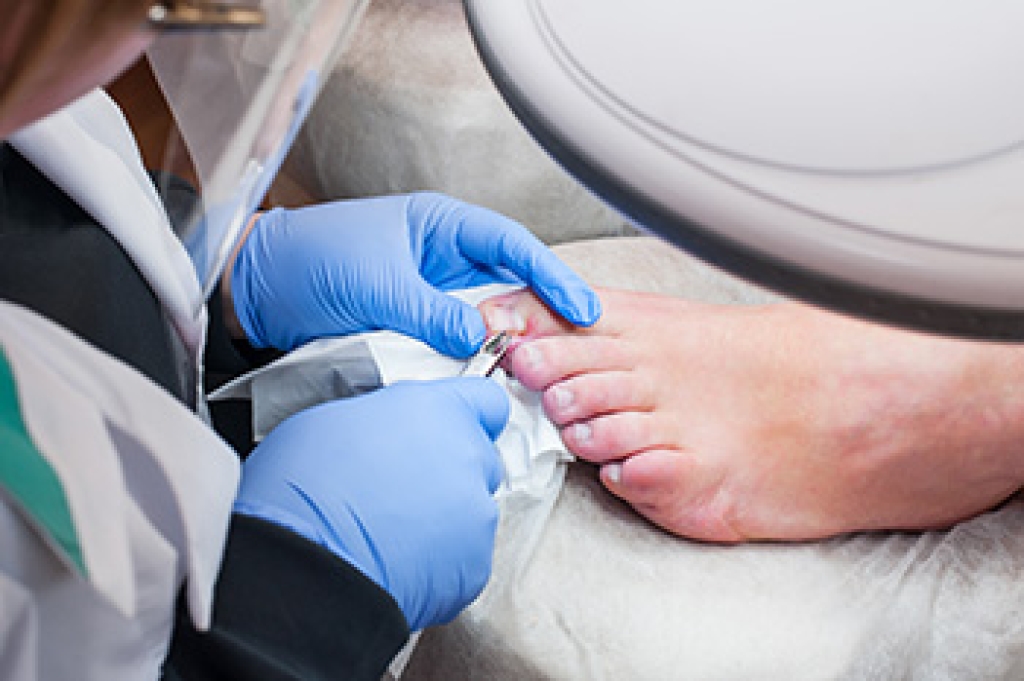
Are You Suffering From Ingrown Toenails?

If left untreated, an ingrown toenail can lead to more serious concerns, such as an infection. Knowing proper nail care can help in the prevention of an ingrown toenail. Give us a call, and get treated!

Causes and Risk Factors of Heel Fractures

A heel fracture is a break in the large bone that forms the heel and supports body weight. These injuries often result from high-impact events. Among them are falls from a height or car accidents, where strong force drives the heel into the ground. This type of force causes  pressure that travels straight through the bone. Risk factors for a fractured heel include weak bone structure from osteoporosis, reduced feeling in the feet from nerve damage, and long-term medical conditions that affect bone strength. People who work at heights or participate in high-impact activities face greater risk. In some cases, repeated stress on the heel, such as from marathon running, can also lead to a fracture. A podiatrist can evaluate the injury and order imaging tests to confirm the diagnosis. Treatment to restore alignment, reduce pain, and improve walking function follows. If you have serious heel pain, it is suggested that you schedule an appointment with a podiatrist.

Many people suffer from bouts of heel pain. For more information, contact George Tellam, DPM of Ankle & Foot Associates. Our doctor can provide the care you need to keep you pain-free and on your feet.

Causes of Heel Pain

Heel pain is often associated with plantar fasciitis. The plantar fascia is a band of tissues that extends along the bottom of the foot. A rip or tear in this ligament can cause inflammation of the tissue.

Achilles tendonitis is another cause of heel pain. Inflammation of the Achilles tendon will cause pain from fractures and muscle tearing. Lack of flexibility is also another symptom.

Heel spurs are another cause of pain. When the tissues of the plantar fascia undergo a great deal of stress, it can lead to ligament separation from the heel bone, causing heel spurs.

Why Might Heel Pain Occur?

  • Wearing ill-fitting shoes                
  • Wearing non-supportive shoes
  • Weight change           
  • Excessive running

Treatments

Heel pain should be treated as soon as possible for immediate results. Keeping your feet in a stress-free environment will help. If you suffer from Achilles tendonitis or plantar fasciitis, applying ice will reduce the swelling. Stretching before an exercise like running will help the muscles. Using all these tips will help make heel pain a condition of the past.

If you have any questions, please feel free to contact our offices located in Orange Park and Jacksonville Beach, FL . We offer the newest diagnostic and treatment technologies for all your foot care needs.

Read more about Heel Pain
scroll to top