
Custom orthotics, or shoe inserts, should be periodically replaced. Orthotics must fit properly to give you the best results. Protect your feet and ankles!
Custom orthotics, or shoe inserts, should be periodically replaced. Orthotics must fit properly to give you the best results. Protect your feet and ankles!

Falling from a ladder during the workday can cause foot injuries, especially when the feet absorb the force of a landing. Injuries include sprains, fractures, and tendon damage. Pain may begin immediately or develop later as swelling increases. Difficulty standing, walking, or putting weight on the foot can signal an injury. Risk factors include rushing, working on uneven surfaces, and using a ladder that is too short. Older adults and people with balance concerns may face greater risk.
Before climbing, decide whether a ladder is needed. If another method is available, use it instead. When a ladder is necessary, choose one that reaches the needed height without requiring you to stand on the top steps. Make sure the ladder is designed for your weight. Place it on a firm, level surface. Never use a damaged ladder or one with loose parts. Inspect the steps, feet, and locks before every use.
The right shoes can help prevent ladder falls. Wear shoes with soles that provide good traction. Keep both hands available when climbing, and face the ladder. Do not overreach or carry objects that can affect your balance. If you fall, stop and assess your feet before walking. Significant pain, swelling, or difficulty bearing weight requires medical attention.
A podiatrist can evaluate a foot injury after a ladder fall and check for fractures or joint damage. X-rays or other imaging may be recommended when needed. Treatment may include rest, elevation, or other protection while the foot heals. A podiatrist can guide your return to activity based on your injury. If you have foot injuries from falling off a ladder at work, it is suggested that you consult a podiatrist for effective relief and treatment solutions.
Preventing falls among the elderly is very important. If you are older and have fallen or fear that you are prone to falling, consult with George Tellam, DPM from Ankle & Foot Associates. Our doctor will assess your condition and provide you with quality advice and care.
Every 11 seconds, an elderly American is being treated in an emergency room for a fall related injury. Falls are the leading cause of head and hip injuries for those 65 and older. Due to decreases in strength, balance, senses, and lack of awareness, elderly persons are very susceptible to falling. Thankfully, there are a number of things older persons can do to prevent falls.
How to Prevent Falls
Some effective methods that older persons can do to prevent falls include:
Falling can be a traumatic and embarrassing experience for elderly persons; this can make them less willing to leave the house, and less willing to talk to someone about their fears of falling. Doing such things, however, will increase the likelihood of tripping or losing one’s balance. Knowing the causes of falling and how to prevent them is the best way to mitigate the risk of serious injury.
If you have any questions, please feel free to contact our offices located in Orange Park and Jacksonville Beach, FL . We offer the newest diagnostic and treatment technologies for all your foot care needs.
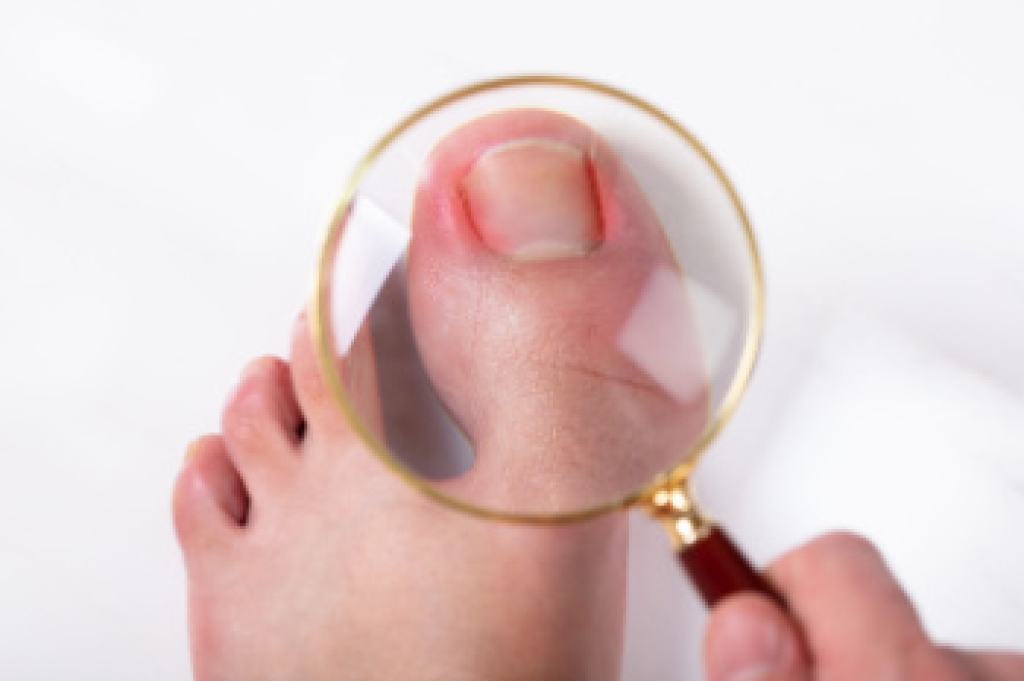
An ingrown toenail happens when the edge or corner of a toenail grows into the nearby skin instead of growing forward normally. The big toe is affected most often, although any toenail can become ingrown. At first, the problem may seem minor, especially if discomfort only occurs while wearing shoes. Without proper care, however, an ingrown toenail can become increasingly painful and may lead to an infection. Understanding the early warning signs can help you seek treatment before the problem becomes more difficult to manage.
One of the most common symptoms is pain or tenderness along the side of the affected toe. Pressure from wearing shoes or walking may make the discomfort worse. The skin surrounding the nail can become red, swollen, and sensitive to touch. Some people notice clear fluid, while others may see pus when an infection is present. The toe may also feel warm. These changes are important signs that the nail and surrounding skin need attention.
Several factors can increase the risk of an ingrown toenail. Cutting toenails too short or rounding the corners can encourage the nail to grow into the skin. Wearing tight shoes can also place repeated pressure against the toes. Toe injuries, naturally curved nails, and repeated pressure from activities can contribute as well. People who have difficulty caring for their feet should be especially careful because a small nail problem can sometimes progress quickly. Keeping toenails trimmed straight across and wearing properly fitted shoes can help reduce risk.
A podiatrist will examine the affected toe and look for inflammation, infection, or other problems affecting the nail. When needed, the podiatrist may gently lift or separate the nail edge from the skin. More painful or recurring cases may require partial nail removal to prevent the problem from returning. If you have developed an ingrown toenail, it is suggested that you promptly consult a podiatrist for effective relief tips, which may include minor surgery.
Ingrown toenails may initially present themselves as a minor discomfort, but they may progress into an infection in the skin without proper treatment. For more information about ingrown toenails, contact George Tellam, DPM of Ankle & Foot Associates. Our doctor can provide the care you need to keep you pain-free and on your feet.
Ingrown Toenails
Ingrown toenails are caused when the corner or side of a toenail grows into the soft flesh surrounding it. They often result in redness, swelling, pain, and in some cases, infection. This condition typically affects the big toe and may recur if it is not treated properly.
Causes
You are more likely to develop an ingrown toenail if you are obese, have diabetes, arthritis, or have any fungal infection in your nails. Additionally, people who have foot or toe deformities are at a higher risk of developing an ingrown toenail.
Symptoms
Some symptoms of ingrown toenails are redness, swelling, and pain. In rare cases, there may be a yellowish drainage coming from the nail.
Treatment
Ignoring an ingrown toenail can have serious complications. Infections of the nail border can progress to a deeper soft-tissue infection, which can then turn into a bone infection. You should always speak with your podiatrist if you suspect you have an ingrown toenail, especially if you have diabetes or poor circulation.
If you have any questions, please feel free to contact our offices located in Orange Park and Jacksonville Beach, FL . We offer the newest diagnostic and treatment technologies for all your foot care needs.
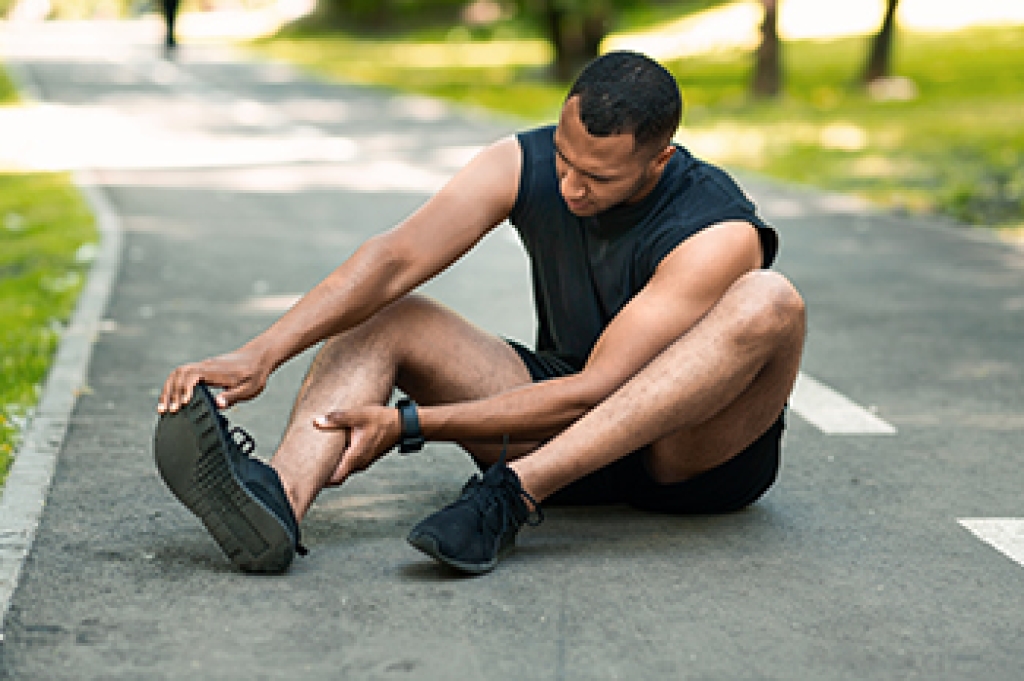
Running places repeated stress on the feet and ankles, making these areas vulnerable to injury. Both long-distance runners and casual joggers can develop foot problems that interfere with training and performance. Heel pain is one common complaint and may result from plantar fasciitis, which involves inflammation of the tissue supporting the foot’s arch. Achilles tendon pain can also develop from overuse. Runners who increase their training too quickly may be more likely to experience tendon irritation, especially when they are new to the activity. Recognizing persistent pain early can help prevent a running injury from becoming more serious.
Pain in the ball of the foot is another concern for runners. A neuroma, which is a pinched nerve between the toes, can cause burning, numbness, or pain in this area. Inflammation of the joints near the toes can produce similar discomfort. Stress fractures are another potential running injury. These small breaks in the bones of the foot may develop gradually and can cause swelling and pain. Being able to walk does not necessarily mean a bone is not fractured. Because several running injuries can cause overlapping symptoms, ongoing discomfort should be professionally evaluated to determine its source.
A podiatrist can evaluate running-related foot and ankle pain before it significantly interferes with activity. An examination can help determine whether symptoms involve a tendon, nerve, or bone. Depending on the problem, professional treatment may include custom orthotics or physical therapy. Other treatment options may be considered based on the diagnosis. A podiatrist can also assess whether footwear or foot mechanics may be contributing to repeated stress. Prompt attention is especially important when pain and swelling continue or gradually become worse. Protecting foot and ankle health can help runners remain active while reducing the risk of more serious problems. If running causes persistent foot or ankle pain, it is suggested that you consult a podiatrist for an evaluation and appropriate treatment options.
Exercising your feet regularly with the proper foot wear is a great way to prevent injuries. If you have any concerns about your feet, contact George Tellam, DPM of Ankle & Foot Associates. Our doctor will treat your foot and ankle needs.
How to Prevent Running Injuries
Many common running injuries are caused by overuse and overtraining. When the back of the kneecap starts wearing out and starts causing pain in your knee, this is commonly referred to as runner’s knee. Runner’s knee is a decrease in strength in your quadriceps and can occur if you’re not wearing properly fitted or supporting shoes. To prevent runner’s knee, focusing on hip strengthening is a good idea, as well as strengthening your quads to keep the kneecaps aligned.
What Are Some Causes of Running Injuries?
- One cause of a common running injury is called iliotibial band syndrome.
- Plantar fasciitis is also another common injury.
- Stress fractures can occur from overtraining, lack of calcium, or even your running style.
Best Ways to Prevent Running Injuries
- Wear footwear that fits properly and suits your running needs.
- Running shoes are the only protective gear that runners have to safeguard them from injury.
- Make a training schedule. Adding strengthening exercises as well as regular stretching can help keep you strong and limber and can lessen the possibility of injuries.
- Stretching keeps muscles limber; this will help you gain better flexibility.
If you have any questions, please feel free to contact our offices located in Orange Park and Jacksonville Beach, FL . We offer the newest diagnostic and treatment technologies for all your foot care needs.
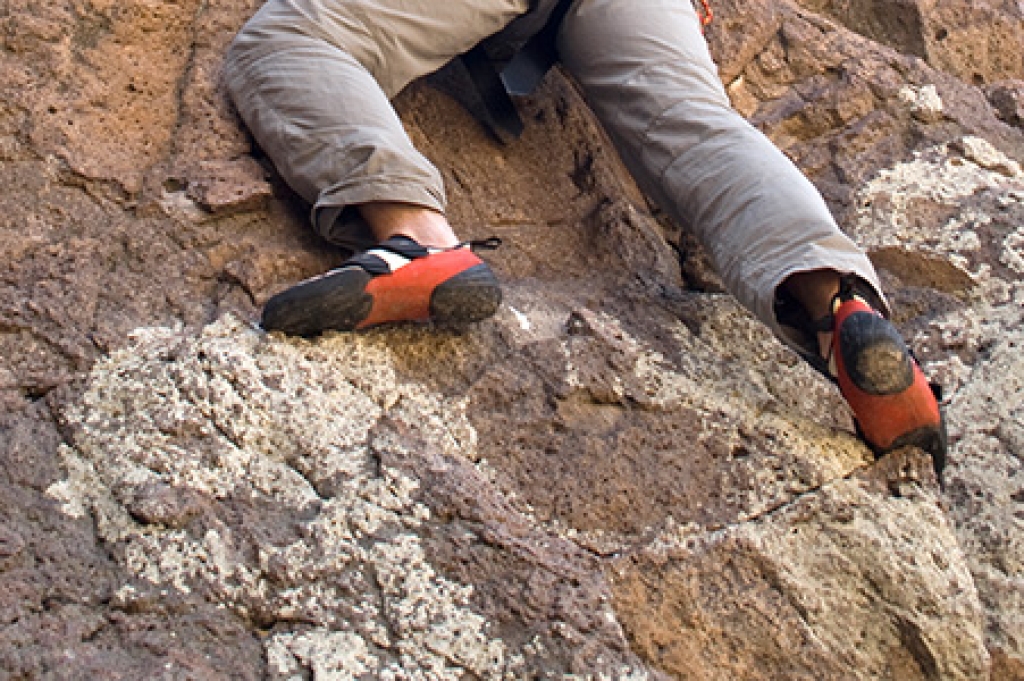
Rock climbing is an athletic activity that involves moving up natural rock formations or indoor climbing walls using strength, balance, and precise foot placement. Because the sport requires tight-fitting footwear and repeated pressure on the forefoot, wearing poorly fitted or inappropriate shoes can lead to several foot-related injuries. Common conditions include Achilles tendinopathy, which causes pain and stiffness along the back of the heel and Haglund's deformity that produces irritation near the heel bone. Hallux valgus, also known as bunions, plantar fasciitis involving inflammation of the heel tissue, and chronic ankle instability from repeated strain are other factors. A podiatrist can evaluate foot structure, treat injuries, and recommend supportive footwear. If climbing-related foot pain develops, it is suggested that you consult a podiatrist who can treat various foot and ankle injuries, helping you to protect foot health and maintain performance.
Foot Pain
Foot pain can be extremely painful and debilitating. If you have a foot pain, consult with George Tellam, DPM from Ankle & Foot Associates. Our doctor will assess your condition and provide you with quality foot and ankle treatment.
Causes
Foot pain is a very broad condition that could be caused by one or more ailments. The most common include:
Diagnosis
To figure out the cause of foot pain, podiatrists utilize several different methods. This can range from simple visual inspections and sensation tests to X-rays and MRI scans. Prior medical history, family medical history, and any recent physical traumatic events will all be taken into consideration for a proper diagnosis.
Treatment
Treatment depends upon the cause of the foot pain. Whether it is resting, staying off the foot, or having surgery; podiatrists have a number of treatment options available for foot pain.
If you have any questions, please feel free to contact our offices located in Orange Park and Jacksonville Beach, FL . We offer the newest diagnostic and treatment technologies for all your foot care needs.
