
If left untreated, an ingrown toenail can lead to more serious concerns, such as an infection. Knowing proper nail care can help in the prevention of an ingrown toenail. Give us a call, and get treated!
If left untreated, an ingrown toenail can lead to more serious concerns, such as an infection. Knowing proper nail care can help in the prevention of an ingrown toenail. Give us a call, and get treated!
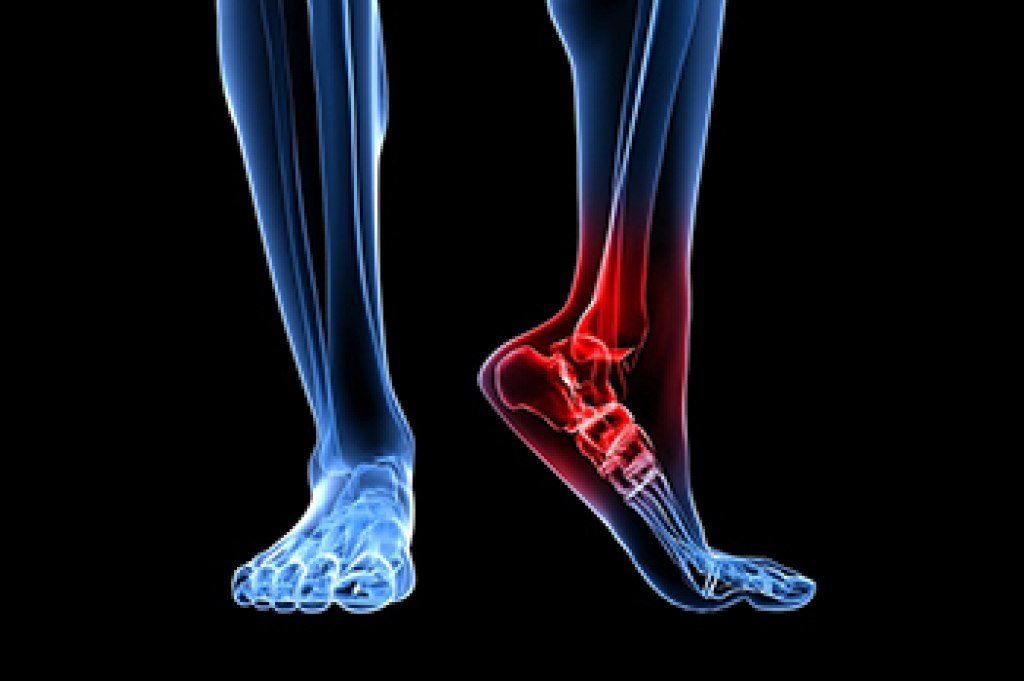
A heel fracture is a break in the large bone that forms the heel and supports body weight. These injuries often result from high-impact events. Among them are falls from a height or car accidents, where strong force drives the heel into the ground. This type of force causes pressure that travels straight through the bone. Risk factors for a fractured heel include weak bone structure from osteoporosis, reduced feeling in the feet from nerve damage, and long-term medical conditions that affect bone strength. People who work at heights or participate in high-impact activities face greater risk. In some cases, repeated stress on the heel, such as from marathon running, can also lead to a fracture. A podiatrist can evaluate the injury and order imaging tests to confirm the diagnosis. Treatment to restore alignment, reduce pain, and improve walking function follows. If you have serious heel pain, it is suggested that you schedule an appointment with a podiatrist.
Many people suffer from bouts of heel pain. For more information, contact George Tellam, DPM of Ankle & Foot Associates. Our doctor can provide the care you need to keep you pain-free and on your feet.
Causes of Heel Pain
Heel pain is often associated with plantar fasciitis. The plantar fascia is a band of tissues that extends along the bottom of the foot. A rip or tear in this ligament can cause inflammation of the tissue.
Achilles tendonitis is another cause of heel pain. Inflammation of the Achilles tendon will cause pain from fractures and muscle tearing. Lack of flexibility is also another symptom.
Heel spurs are another cause of pain. When the tissues of the plantar fascia undergo a great deal of stress, it can lead to ligament separation from the heel bone, causing heel spurs.
Why Might Heel Pain Occur?
Treatments
Heel pain should be treated as soon as possible for immediate results. Keeping your feet in a stress-free environment will help. If you suffer from Achilles tendonitis or plantar fasciitis, applying ice will reduce the swelling. Stretching before an exercise like running will help the muscles. Using all these tips will help make heel pain a condition of the past.
If you have any questions, please feel free to contact our offices located in Orange Park and Jacksonville Beach, FL . We offer the newest diagnostic and treatment technologies for all your foot care needs.

A heel spur is a bony growth that develops on the underside of the heel, often associated with inflammation of the foot muscles and ligaments. It commonly forms over time due to repetitive stress and strain on the plantar fascia, the strong band of tissue running from the heels to the toes. Symptoms include heel pain that may feel sharp or aching and is often worse after periods of rest or when first standing. Risk factors include high impact activities, sudden increases in exercise intensity, wearing improper footwear, and prolonged standing. Without proper care, discomfort may persist and affect mobility. A podiatrist can help by diagnosing the condition, reducing inflammation, and recommending supportive treatments. If you have heel pain and it has become difficult to complete daily activities, it is suggested that you consult a podiatrist who can guide you toward effective relief solutions.
Heel spurs can be incredibly painful and sometimes may make you unable to participate in physical activities. To get medical care for your heel spurs, contact George Tellam, DPM from Ankle & Foot Associates. Our doctor will do everything possible to treat your condition.
Heels Spurs
Heel spurs are formed by calcium deposits on the back of the foot where the heel is. This can also be caused by small fragments of bone breaking off one section of the foot, attaching onto the back of the foot. Heel spurs can also be bone growth on the back of the foot and may grow in the direction of the arch of the foot.
Older individuals usually suffer from heel spurs and pain sometimes intensifies with age. One of the main condition's spurs are related to is plantar fasciitis.
Pain
The pain associated with spurs is often because of weight placed on the feet. When someone is walking, their entire weight is concentrated on the feet. Bone spurs then have the tendency to affect other bones and tissues around the foot. As the pain continues, the feet will become tender and sensitive over time.
Treatments
There are many ways to treat heel spurs. If one is suffering from heel spurs in conjunction with pain, there are several methods for healing. Medication, surgery, and herbal care are some options.
If you have any questions, please feel free to contact our offices located in Orange Park and Jacksonville Beach, FL . We offer the newest diagnostic and treatment technologies for all your foot care needs.
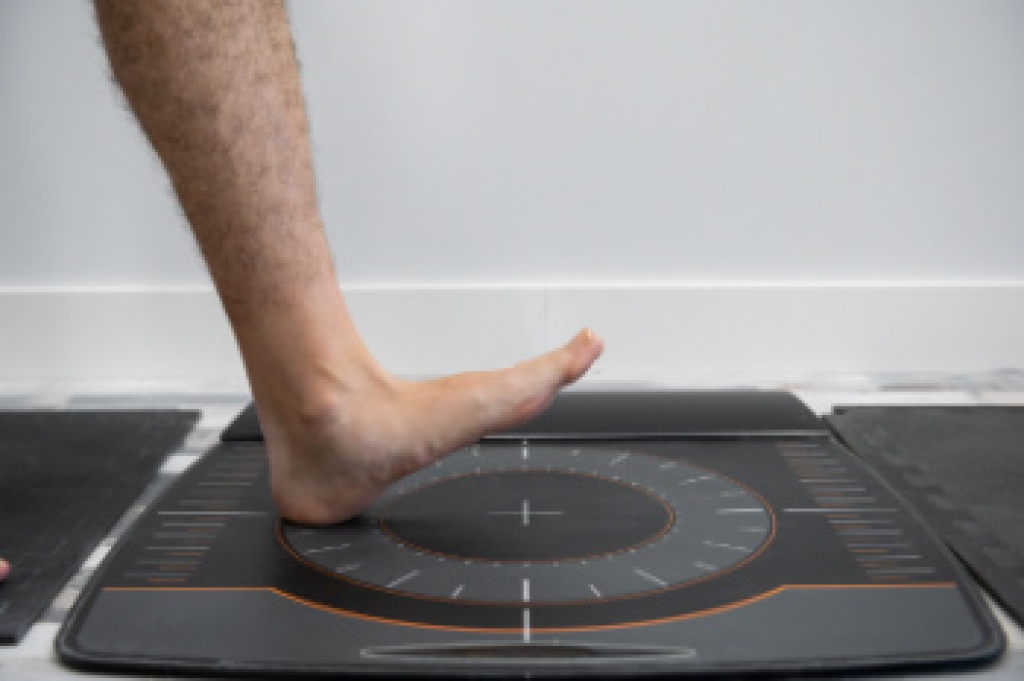
Foot pronation is a natural inward rolling of the foot during walking, but when it becomes excessive, it can place added stress on the arch, heel, and ankle. Over time, this may lead to discomfort, fatigue, or strain in other areas, such as the knees or hips. Gait retraining focuses on improving how you walk by making small, controlled changes to movement patterns. This may include adjusting stride length, foot placement, and posture to reduce unnecessary inward motion. Strengthening the muscles that support the arch and improving balance can also help create better control with each step. Wearing supportive footwear or orthotics may be used alongside retraining to guide proper alignment. With consistent practice, these changes can lead to more efficient movement and less strain on the foot. If walking is causing ongoing discomfort, it is suggested that you see a podiatrist for an evaluation of your walking patterns and treatment.
If you have any concerns about your feet, contact George Tellam, DPM from Ankle & Foot Associates. Our doctor can provide the care you need to keep you pain-free and on your feet.
Biomechanics in Podiatry
Podiatric biomechanics is a particular sector of specialty podiatry with licensed practitioners who are trained to diagnose and treat conditions affecting the foot, ankle and lower leg. Biomechanics deals with the forces that act against the body, causing an interference with the biological structures. It focuses on the movement of the ankle, the foot and the forces that interact with them.
A History of Biomechanics
Modern technological improvements are based on past theories and therapeutic processes that provide a better understanding of podiatric concepts for biomechanics. Computers can provide accurate information about the forces and patterns of the feet and lower legs.
Understanding biomechanics of the feet can help improve and eliminate pain, stopping further stress to the foot.
If you have any questions please feel free to contact our offices located in Orange Park and Jacksonville Beach, FL . We offer the newest diagnostic and treatment technologies for all your foot and ankle needs.

Ankle sprains are one of the most common injuries affecting the foot and ankle. They often occur when the foot suddenly rolls inward on uneven ground or during sports that involve jumping or quick direction changes. This motion can stretch or tear the ligaments, which are strong bands of tissue that hold the ankle bones together and keep the joint stable. People with high arches, loose joints, or a history of past sprains may have a higher risk of ankle sprains. Symptoms typically include pain, swelling, bruising, and difficulty walking or placing weight on the foot. Ankle sprains are usually classified as mild, moderate, or severe, depending on how much the ligaments are damaged. A podiatrist can evaluate the injury, determine its severity, order imaging tests to confirm the diagnosis, and develop a treatment plan to restore strength and stability. If you have injured an ankle, it is suggested that you make an appointment with a podiatrist for an exam, diagnosis, and treatment.
Ankle sprains are common but need immediate attention. If you need your feet checked, contact George Tellam, DPM from Ankle & Foot Associates. Our doctor can provide the care you need to keep you pain-free and on your feet.
How Does an Ankle Sprain Occur?
Ankle sprains take place when the ligaments in your ankle are torn or stretched beyond their limits. There are multiple ways that the ankle can become injured, including twisting or rolling over onto your ankle, putting undue stress on it, or causing trauma to the ankle itself.
What Are the Symptoms?
Preventing a Sprain
Treatment of a Sprain
Treatment of a sprain depends on the severity. Many times, people are told to rest and remain off their feet completely, while others are given an air cast. If the sprain is very severe, surgery may be required.
If you have suffered an ankle sprain previously, you may want to consider additional support such as a brace and regular exercises to strengthen the ankle.
If you have any questions please feel free to contact our offices located in Orange Park and Jacksonville Beach, FL . We offer the newest diagnostic tools and technology to treat your foot and ankle needs.
