
Heel pain can negatively affect your day-to-day life. Simple activities like walking can become incredibly uncomfortable or painful due to heel pain.
Don’t live with heel pain and get treated.
Heel pain can negatively affect your day-to-day life. Simple activities like walking can become incredibly uncomfortable or painful due to heel pain.
Don’t live with heel pain and get treated.
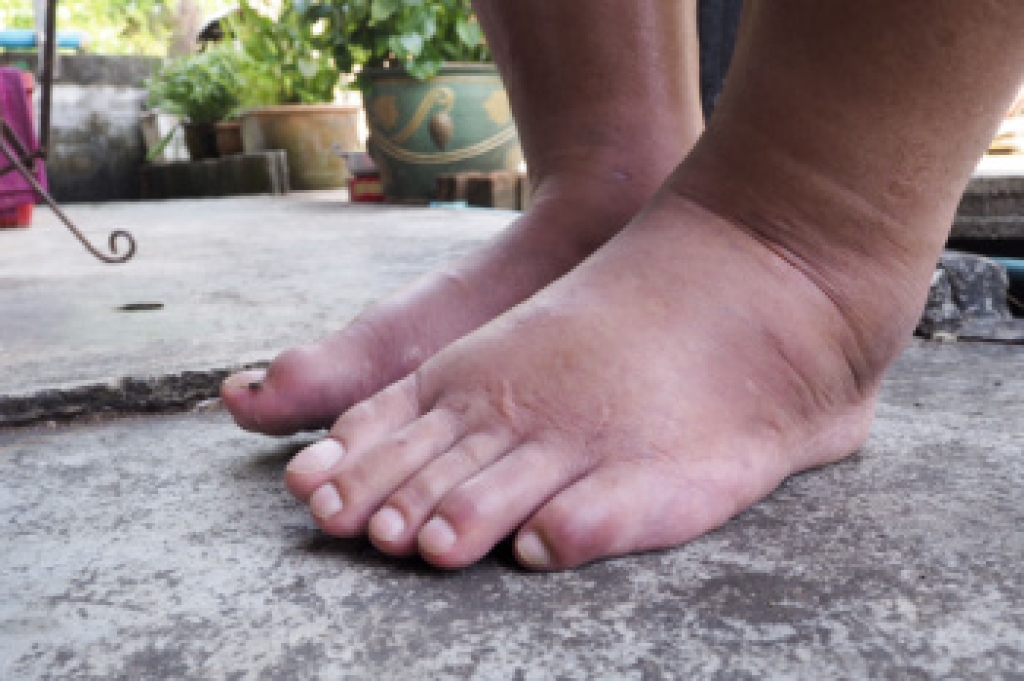
Swollen feet, also known as peripheral edema, occur when excess fluid builds up in the tissues of the lower extremities. This condition can affect one or both feet, and may develop gradually or suddenly. Common causes include prolonged sitting or standing, excess salt intake, and wearing shoes that are too small. Consuming too much liquid in a short period of time may also contribute to fluid retention in some individuals. While swelling is often temporary, it can signal an underlying issue when it persists.
Symptoms of swollen feet include visible puffiness, tight skin, and a feeling of heaviness in the lower legs. Individuals may notice difficulty fitting into shoes or indentations in the skin after pressure is applied. Discomfort, stiffness, and mild pain may also occur, especially after long periods of inactivity or standing. In some cases, swelling may worsen by the end of the day and improve with rest or elevation.
Risk factors for swollen feet include sedentary behavior, high sodium intake, and poor circulation. Individuals who sit or stand for extended periods of time may experience reduced blood flow, leading to fluid accumulation. Wearing restrictive footwear can limit circulation and increase pressure on the feet. Certain lifestyle habits and dietary patterns may further contribute to swelling, particularly when combined with limited physical activity.
Managing swollen feet involves simple but effective lifestyle changes. Elevating the feet, reducing salt intake, and choosing properly-fitted shoes can help improve circulation and reduce fluid buildup. Regular movement throughout the day also supports healthy blood flow. Recognizing the cause of swelling is important for proper care and prevention. If you have swollen feet or ankles, it is suggested that you consult a podiatrist who can determine what the cause is and offer effective relief and prevention tips.
Swollen feet can be a sign of an underlying condition. If you have any concerns, contact George Tellam, DPM of Ankle & Foot Associates. Our doctor can provide the care you need to keep you pain-free and on your feet.
Swollen feet are a common ailment among pregnant women and people who stand or sit for extended periods. Aging may increase the possibility of swollen feet and patients who are obese often notice when their feet are swelling too. There may be medical reasons why swollen feet occur:
Swollen feet can also be caused by bone and tendon conditions, including fractures, arthritis, and tendinitis. Additionally, there may be skin and toenail conditions and an infection may cause the feet to swell. Patients who take medicine to treat high blood pressure may be prone to getting swollen feet.
Many patients elevate their feet to help relieve the swelling and this is generally a temporary remedy. When a podiatrist is consulted the reason behind the swelling can be uncovered and subsequently treated.
If you have any questions please contact our offices located in Orange Park and Jacksonville Beach, FL . We offer the newest diagnostic and treatment technologies for all your foot and ankle needs.

A broken ankle is a serious injury that can affect the bones that form the ankle joint and make standing or walking extremely difficult. It often occurs after a fall, a sports injury, or a motor vehicle accident, although the severity can vary from one person to another. Some fractures involve a small crack in the bone, while others may cause the bones to shift out of their normal position. A broken ankle may also damage nearby ligaments and other soft tissues, making the injury more complex. Because ankle fractures can affect joint stability and long-term mobility, prompt evaluation and treatment are important. Early diagnosis may also help reduce the risk of complications and support proper healing.
Symptoms of a broken ankle usually develop immediately after the injury. Many people experience severe pain, swelling, or bruising around the ankle. Others find it difficult or impossible to put weight on the affected foot. The ankle may appear misshapen if the bones have moved out of alignment. Some individuals also notice tenderness or reduced range of motion because of pain and swelling. Since a severe sprain and a broken ankle can produce similar symptoms, a professional examination and imaging studies are often needed to confirm the diagnosis. Receiving timely care can help protect the joint and improve recovery.
A podiatrist is trained to diagnose and treat broken ankles and other foot and ankle injuries. During an evaluation, the podiatrist examines the ankle, reviews the injury, and determines the most appropriate treatment plan based on the type of fracture. Treatment focuses on restoring proper alignment, protecting the injured area, and supporting normal healing. Ongoing care also helps monitor recovery and improve ankle function as healing progresses. If you are experiencing severe ankle pain, swelling, or difficulty bearing weight after an injury, it is suggested that you consult a podiatrist for an evaluation and appropriate treatment options.
Broken ankles need immediate treatment. If you are seeking treatment, contact George Tellam, DPM from Ankle & Foot Associates. Our doctor can provide the care you need to keep you pain-free and on your feet.
Broken Ankles
A broken ankle is experienced when a person fractures their tibia or fibula in the lower leg and ankle area. Both of these bones are attached at the bottom of the leg and combine to form what we know to be our ankle.
When a physician is referring to a break of the ankle, he or she is usually referring to a break in the area where the tibia and fibula are joined to create our ankle joint. Ankles are more prone to fractures because the ankle is an area that suffers a lot of pressure and stress. There are some obvious signs when a person experiences a fractured ankle, and the following symptoms may be present.
Symptoms of a Fractured Ankle
If you suspect an ankle fracture, it is recommended to seek treatment as soon as possible. The sooner you have your podiatrist diagnose the fracture, the quicker you’ll be on the way towards recovery.
If you have any questions, please feel free to contact our offices located in Orange Park and Jacksonville Beach, FL . We offer the newest diagnostic and treatment technologies for all your foot care needs.
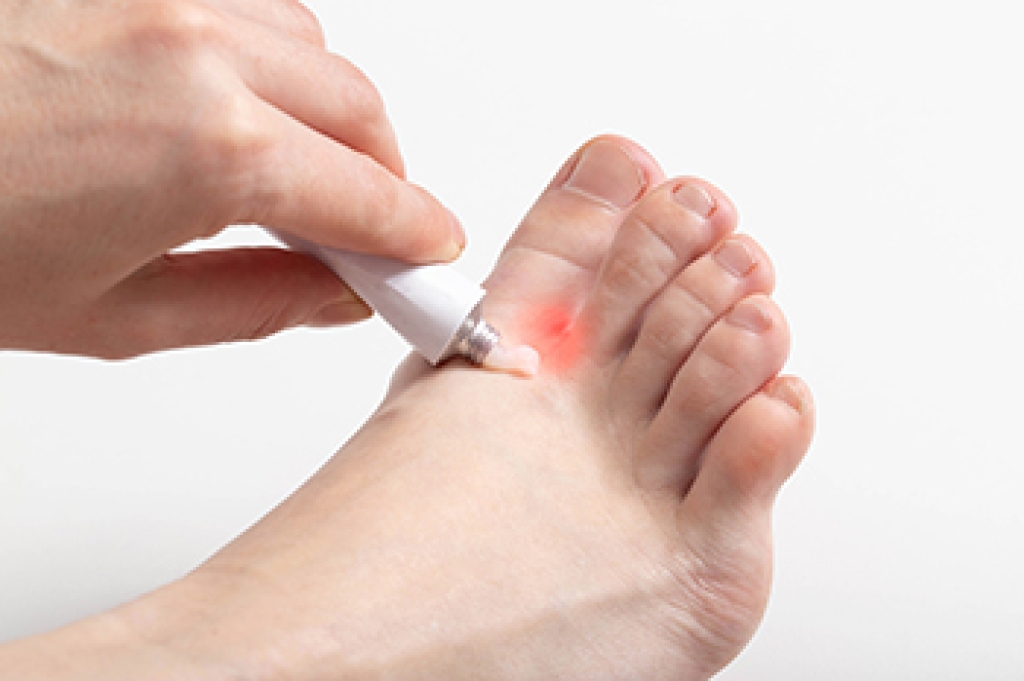
Athlete’s foot is a common fungal infection that affects the skin of the feet, especially between the toes. It is caused by dermatophyte fungi that thrive in warm, moist environments. This condition is highly contagious until treated with antifungal drugs, making early detection important. Athlete's foot can spread quickly through direct contact or by touching contaminated surfaces, which is why proper hygiene plays a critical role in prevention and recovery.
Symptoms of athlete’s foot often begin with itchy feet and may progress to redness, scaling, and peeling skin. Some individuals experience burning sensations, cracking, or discomfort when walking. In more advanced cases, blisters or sores may develop, increasing the risk of secondary infection. Symptoms tend to worsen in enclosed footwear where moisture is trapped, creating an ideal environment for fungal growth.
The infection spreads through shared surfaces such as locker room floors, public showers, and pool areas. It can also transfer through shared towels, shoes, and even contact with pets that carry fungal organisms. Wearing damp socks or tight shoes can further increase exposure and allow the fungus to grow. These factors make athlete's foot a persistent condition if not addressed properly.
Risk factors include excessive sweating, use of non-breathable footwear, and frequent exposure to communal areas. Individuals who are active or spend long hours in shoes are more susceptible. Keeping feet clean and dry is essential in reducing risk. If you have symptoms of athlete’s foot, it is suggested that you consult a podiatrist for effective relief and treatment solutions, which may include prescribed medication.
Athlete’s Foot
Athlete’s foot is often an uncomfortable condition to experience. Thankfully, podiatrists specialize in treating athlete’s foot and offer the best treatment options. If you have any questions about athlete’s foot, consult with George Tellam, DPM from Ankle & Foot Associates. Our doctor will assess your condition and provide you with quality treatment.
What Is Athlete’s Foot?
Tinea pedis, more commonly known as athlete’s foot, is a non-serious and common fungal infection of the foot. Athlete’s foot is contagious and can be contracted by touching someone who has it or infected surfaces. The most common places contaminated by it are public showers, locker rooms, and swimming pools. Once contracted, it grows on feet that are left inside moist, dark, and warm shoes and socks.
Prevention
The most effective ways to prevent athlete’s foot include:
Symptoms
Athlete’s foot initially occurs as a rash between the toes. However, if left undiagnosed, it can spread to the sides and bottom of the feet, toenails, and if touched by hand, the hands themselves. Symptoms include:
Diagnosis and Treatment
Diagnosis is quick and easy. Skin samples will be taken and either viewed under a microscope or sent to a lab for testing. Sometimes, a podiatrist can diagnose it based on simply looking at it. Once confirmed, treatment options include oral and topical antifungal medications.
If you have any questions, please feel free to contact our offices located in Orange Park and Jacksonville Beach, FL . We offer the newest diagnostic and treatment technologies for all your foot care needs.
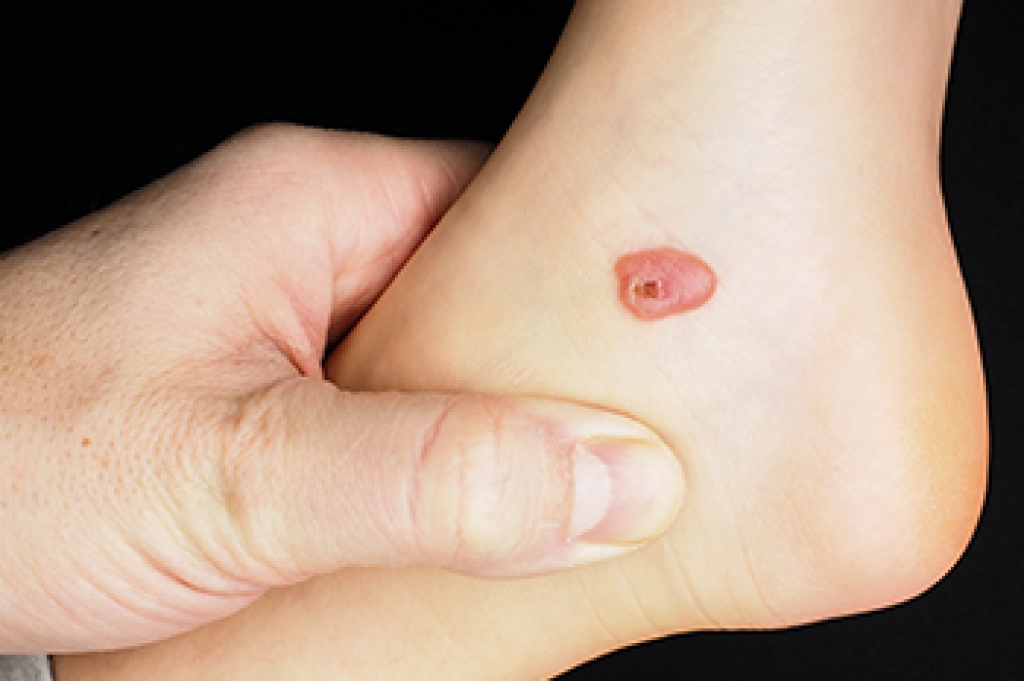
Foot blisters are a common skin condition caused by friction, heat, or pressure on the foot. They form when layers of skin separate and fill with fluid, creating a small pocket that protects underlying tissue. Although they are often associated with new shoes or increased physical activity, they can also develop due to underlying biomechanical issues. Understanding their causes and seriousness helps prevent complications and supports better foot health.
The symptoms of foot blisters can vary depending on severity. Early signs include redness and a hot spot on the skin, followed by the development of a fluid filled sac. The blister may feel tight, painful, or sensitive when walking. If the blister breaks open, it can expose delicate skin that is prone to irritation and infection. In more serious cases, signs such as swelling, pus, or increased pain may indicate infection and require prompt attention.
Risk factors for foot blisters include prolonged walking, excessive sweating, and wearing improper footwear. Athletes and individuals who spend long hours on their feet are especially vulnerable. Foot structure problems, such as bunions or high arches, can increase pressure points, leading to repeated friction. Environmental factors such as heat and humidity can also weaken the skin and increase susceptibility to blister formation.
Foot blisters are usually manageable, but they should not be ignored if they persist or worsen. Proper care includes keeping the area clean, reducing friction, and protecting the skin during healing. Recognizing when a blister becomes serious is essential for preventing infection and long term discomfort. If you develop foot blisters frequently, or have ongoing irritation, it is suggested that you seek evaluation from a podiatrist for effective relief.
Blisters may appear as a single bubble or in a cluster. They can cause a lot of pain and may be filled with pus, blood, or watery serum. If your feet are hurting, contact George Tellam, DPM of Ankle & Foot Associates. Our doctor can provide the care you need to keep you pain-free and on your feet.
Foot Blisters
Foot blisters are often the result of friction. This happens due to the constant rubbing from shoes, which can lead to pain.
What Are Foot Blisters?
A foot blister is a small fluid-filled pocket that forms on the upper-most layer of the skin. Blisters are filled with clear fluid and can lead to blood drainage or pus if the area becomes infected.
Symptoms
(Blister symptoms may vary depending on what is causing them)
Prevention & Treatment
In order to prevent blisters, you should be sure to wear comfortable shoes with socks that cushion your feet and absorb sweat. Breaking a blister open may increase your chances of developing an infection. However, if your blister breaks, you should wash the area with soap and water immediately and then apply a bandage to the affected area. If your blisters cause severe pain it is important that you call your podiatrist right away.
If you have any questions, please feel free to contact our offices located in Orange Park and Jacksonville Beach, FL . We offer the newest diagnostic and treatment technologies for all your foot care needs.
