
You don't need an excuse to have beautiful nails. Step outside without worrying about the appearance of your feet.
You don't need an excuse to have beautiful nails. Step outside without worrying about the appearance of your feet.
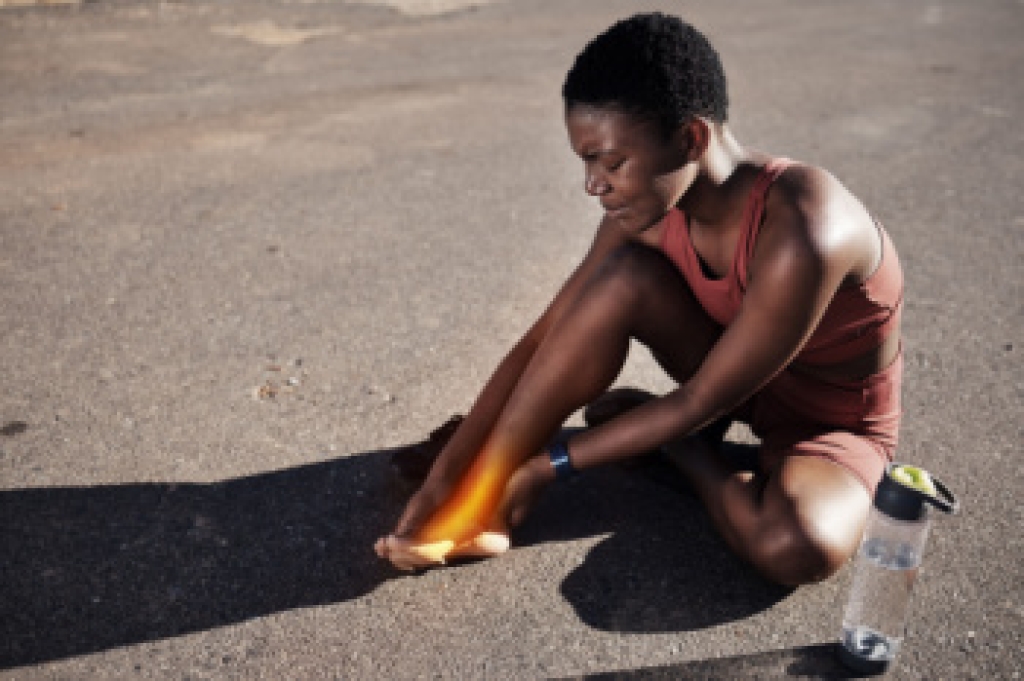
Outer foot pain from running is a common issue that many runners experience at some point in their training. This type of pain refers to discomfort along the lateral side of the foot, which is the area that absorbs impact during repetitive motion. Runners often dread this condition because it can interfere with performance and daily movement. Symptoms may include sharp or aching pain, tenderness, and swelling,. Difficulty bearing weight on the affected foot may also occur. The discomfort can develop gradually or appear suddenly after an intense run, making it important to recognize early warning signs.
Several conditions can contribute to outer foot pain. An ankle sprain occurs when ligaments are stretched or torn, often due to uneven surfaces or sudden twists. Blisters are small fluid-filled pockets caused by friction between the foot and footwear, leading to irritation and pain. Bunions are bony bumps that form at the base of the big toe, altering foot mechanics and increasing lateral pressure. Flat feet, a condition where the arch collapses, can lead to improper weight distribution and strain on the outer foot. Additionally, Morton’s neuroma is a thickening of nerve tissue between the toes, causing burning pain and tingling that may radiate outward.
Risk factors for outer foot pain include overuse, poor running form, and wearing inadequate footwear. Sudden increases in mileage are often a factor. Symptoms vary depending on the cause but often include localized pain, swelling, redness, and reduced mobility. Ignoring these symptoms may lead to more severe injuries, so early attention is essential for recovery and prevention.
To reduce the risk of outer foot pain, runners should choose supportive footwear, maintain proper running technique, and gradually increase training intensity. Stretching and strengthening exercises can improve foot stability and alignment. If you have foot pain on the outside of your feet from running, it is suggested that you consult a podiatrist for effective relief and treatment solutions.
Foot Pain
Foot pain can be extremely painful and debilitating. If you have a foot pain, consult with George Tellam, DPM from Ankle & Foot Associates. Our doctor will assess your condition and provide you with quality foot and ankle treatment.
Causes
Foot pain is a very broad condition that could be caused by one or more ailments. The most common include:
Diagnosis
To figure out the cause of foot pain, podiatrists utilize several different methods. This can range from simple visual inspections and sensation tests to X-rays and MRI scans. Prior medical history, family medical history, and any recent physical traumatic events will all be taken into consideration for a proper diagnosis.
Treatment
Treatment depends upon the cause of the foot pain. Whether it is resting, staying off the foot, or having surgery; podiatrists have a number of treatment options available for foot pain.
If you have any questions, please feel free to contact our offices located in Orange Park and Jacksonville Beach, FL . We offer the newest diagnostic and treatment technologies for all your foot care needs.

Tarsal tunnel syndrome is caused by compression of the tibial nerve as it travels through a narrow space on the inside of the ankle. This area, known as the tarsal tunnel, contains tendons, blood vessels, and the nerve that supplies sensation to the bottom of the foot. When the tibial nerve becomes irritated or compressed, it can lead to a range of uncomfortable symptoms. This condition is considered an unusual form of peripheral neuropathy because it affects nerve function and sensation in the foot.
Common symptoms include pain, numbness, tingling, and a burning sensation along the bottom of the foot or around the ankle. Some individuals may also experience muscle weakness or damage in the foot if the condition progresses. The discomfort may worsen with prolonged standing or walking and improve with rest. These symptoms can interfere with daily activities and reduce overall mobility if not addressed early.
Several causes and risk factors contribute to the development of tarsal tunnel syndrome. Swelling from an injury, such as an ankle sprain, can place pressure on the tibial nerve. Other causes include flat feet, varicose veins, or inflammation from chronic conditions. Risk factors include repetitive stress, wearing improper footwear, and occupations that require long periods of standing. Structural abnormalities in the foot can also increase the likelihood of nerve compression.
Early recognition and proper management can help prevent long-term complications. Treatment often focuses on reducing pressure on the nerve and improving foot alignment. Wearing supportive footwear, rest, and targeted exercises may help relieve symptoms. Addressing the underlying cause is essential for long-term relief and improved function. If you have symptoms of tarsal tunnel syndrome, it is suggested that you consult a podiatrist for an accurate diagnosis and appropriate treatment.
Tarsal tunnel syndrome can be very uncomfortable to live with. If you are experiencing tarsal tunnel syndrome, contact George Tellam, DPM of Ankle & Foot Associates. Our doctor can provide the care you need to keep you pain-free and on your feet.
Tarsal Tunnel Syndrome
Tarsal tunnel syndrome, which can also be called tibial nerve dysfunction, is an uncommon condition of misfiring peripheral nerves in the foot. The tibial nerve is the peripheral nerve in the leg responsible for sensation and movement of the foot and calf muscles. In tarsal tunnel syndrome, the tibial nerve is damaged, causing problems with movement and feeling in the foot of the affected leg.
Common Cause of Tarsal Tunnel Syndrome
The Effects of Tarsal Tunnel Syndrome
A physical exam of the leg can help identify the presence of tarsal tunnel syndrome. Medical tests, such as a nerve biopsy, are also used to diagnose the condition. Patients may receive physical therapy and prescriptive medication. In extreme cases, some may require surgery.
If you have any questions please contact our offices located in Orange Park and Jacksonville Beach, FL . We offer the newest diagnostic and treatment technologies for all your foot and ankle needs.
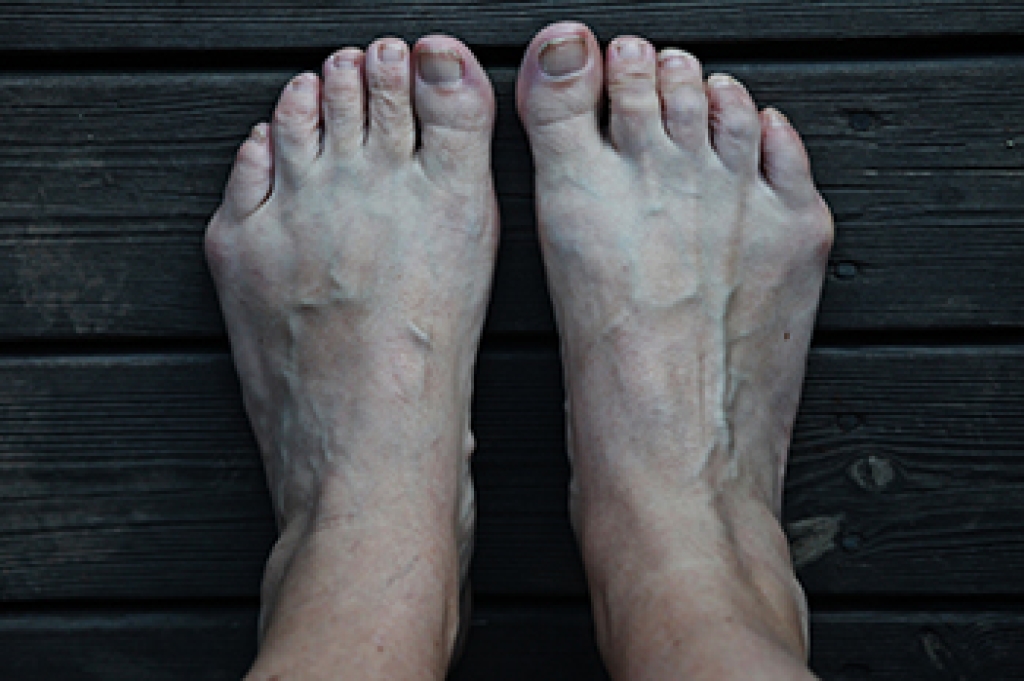
Bunions and buninettes develop when the bones in the toe area gradually shift out of alignment. A bunion, also called hallux valgus, forms when the big toe moves toward the smaller toes as the joint at the base of the big toe becomes enlarged and prominent. A buninette, also known as a tailor’s bunion, develops on the outside of the foot near the base of the little toe. Both conditions can change foot structure and may become painful without proper care.
Symptoms of bunions and buninettes often include a visible bump, swelling, redness, and tenderness around the affected joint. People may experience discomfort while walking or wearing shoes, especially narrow footwear that places pressure on the affected area. Other symptoms can include stiffness, difficulty moving the toe, and irritation caused by friction against shoes. In advanced cases, these deformities may contribute to changes in walking patterns and increased stress on other areas of the foot.
Several risk factors can contribute to the development of bunions and buninettes. Genetics often play a role because inherited foot structure, such as flat feet or abnormal joint alignment, can increase the likelihood of developing these conditions. Wearing tight, narrow, or poorly fitting shoes may place additional pressure on the toes and worsen symptoms. Other risk factors include arthritis, muscle imbalance, and activities that place repeated stress on the feet.
The causes of bunions and buninettes are often related to gradual changes in foot mechanics and alignment. Abnormal movement while walking can place uneven pressure on the toe joints, leading to progressive changes over time. Early evaluation and proper treatment can help reduce discomfort and support better foot function. Wearing supportive footwear, activity adjustments, and custom orthotics may help manage symptoms and improve comfort. If you have developed a bunion or bunionette, it is suggested that you consult a podiatrist for effective relief and management solutions.
If you are suffering from bunions, contact George Tellam, DPM of Ankle & Foot Associates. Our doctor can provide the care you need to keep you pain-free and on your feet.
What Is a Bunion?
A bunion is formed of swollen tissue or an enlargement of boney growth, usually located at the base joint of the toe that connects to the foot. The swelling occurs due to the bones in the big toe shifting inward, which impacts the other toes of the foot. This causes the area around the base of the big toe to become inflamed and painful.
Why Do Bunions Form?
Genetics – Susceptibility to bunions are often hereditary
Stress on the feet – Poorly fitted and uncomfortable footwear that places stress on feet, such as heels, can worsen existing bunions
How Are Bunions Diagnosed?
Podiatrists often perform two tests – blood tests and x-rays – when trying to diagnose bunions, especially in the early stages of development. Blood tests help determine if the foot pain is being caused by something else, such as arthritis, while x-rays provide a clear picture of your bone structure to your provider.
How Are Bunions Treated?
If you have any questions, please feel free to contact our offices located in Orange Park and Jacksonville Beach, FL . We offer the newest diagnostic and treatment technologies for all your foot care needs.
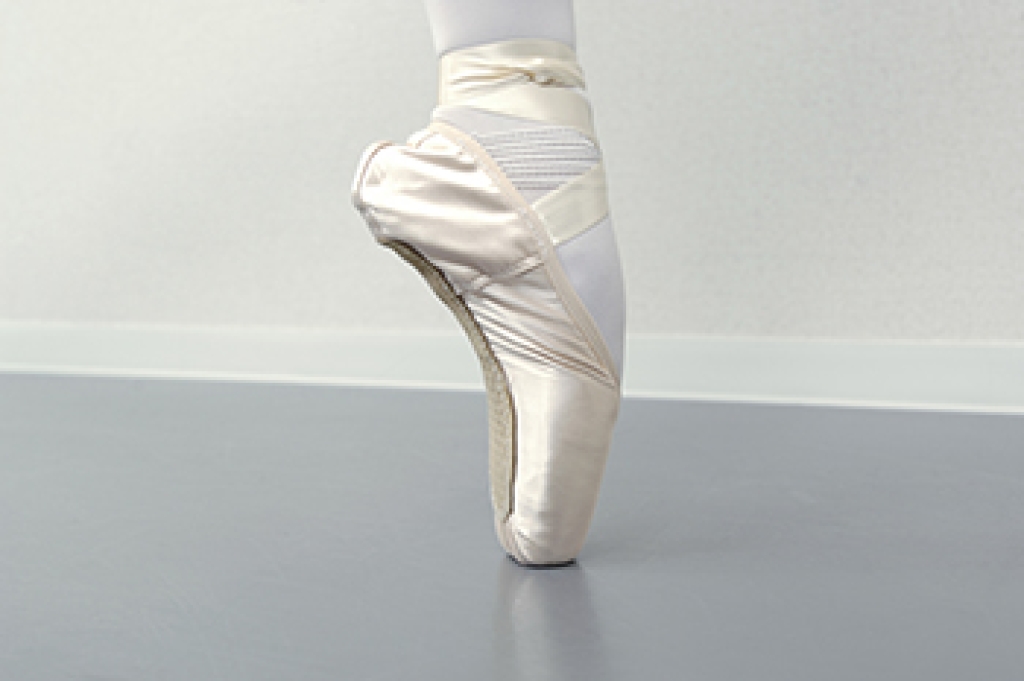
Ballet dancing places unique demands on the feet, requiring controlled movements, pointed positions, and repeated impact. Foot injuries in ballet often occur because dancers put significant pressure on their toes, arches, and ankles during training and performances. The definition of ballet-related foot injuries includes any damage or irritation affecting the bones, joints, or soft tissues of the foot caused by dance activity. Individual foot structure can influence how a dancer responds to these demands.
Common symptoms include soreness, swelling, and pain during or after practice. Dancers may experience problems such as ingrown toenails, tendon inflammation, and stress injuries. The way the toes are positioned during ballet can place pressure on the nails, causing them to grow into the surrounding skin. Toe length also affects how weight is distributed when shaping the foot and performing movements. Some dancers may experience discomfort because their foot shape does not match the demands of specific techniques or footwear.
Risk factors include repetitive training, inadequate rest, and improper shoe fit. The natural structure of the foot, including toe length and heel shape, can influence injury development. A heel that does not fit securely may allow the foot to slide inside the shoe, increasing friction and pressure. Dancers with certain foot shapes may need specialized support to maintain proper alignment. Weak foot muscles, limited flexibility, and sudden increases in training intensity can also contribute to injuries.
Protecting ballet feet involves choosing properly fitted shoes, strengthening the muscles of the feet, and addressing pain early. Dancers should avoid ignoring symptoms, as minor problems can become more serious over time. A podiatrist can evaluate foot structure, identify injury risks, and recommend appropriate treatment options. If you have developed foot injuries from ballet, it is suggested that you seek care from a podiatrist for an accurate diagnosis and appropriate treatment.
If you have any concerns about your feet, contact George Tellam, DPM from Ankle & Foot Associates. Our doctor can provide the care you need to keep you pain-free and on your feet.
Biomechanics in Podiatry
Podiatric biomechanics is a particular sector of specialty podiatry with licensed practitioners who are trained to diagnose and treat conditions affecting the foot, ankle and lower leg. Biomechanics deals with the forces that act against the body, causing an interference with the biological structures. It focuses on the movement of the ankle, the foot and the forces that interact with them.
A History of Biomechanics
Modern technological improvements are based on past theories and therapeutic processes that provide a better understanding of podiatric concepts for biomechanics. Computers can provide accurate information about the forces and patterns of the feet and lower legs.
Understanding biomechanics of the feet can help improve and eliminate pain, stopping further stress to the foot.
If you have any questions please feel free to contact our offices located in Orange Park and Jacksonville Beach, FL . We offer the newest diagnostic and treatment technologies for all your foot and ankle needs.
