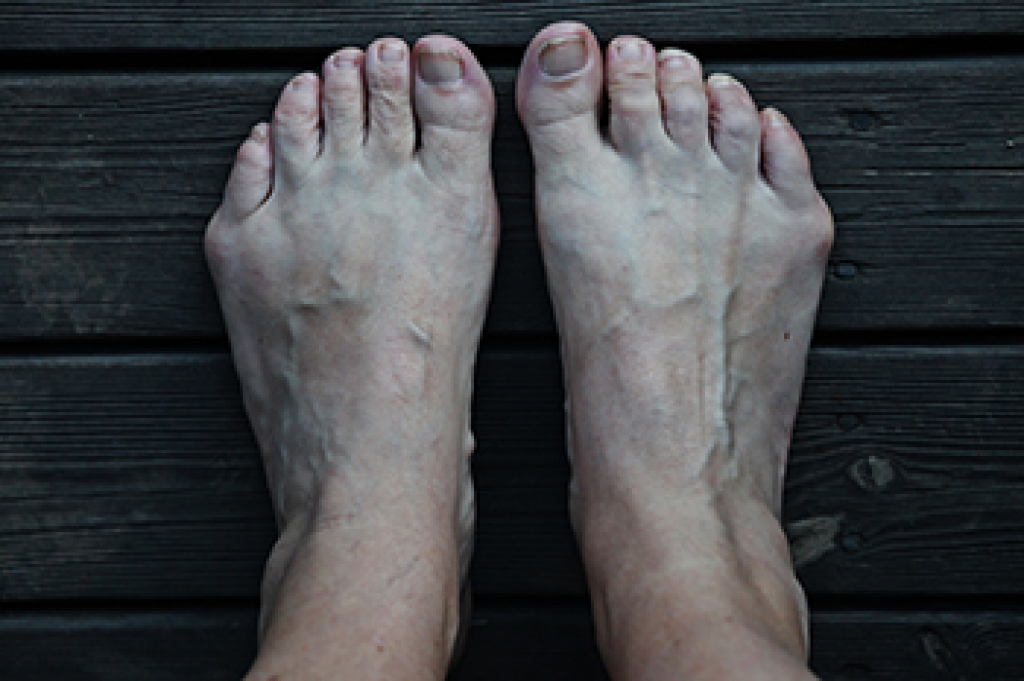
Bunions and buninettes develop when the bones in the toe area gradually shift out of alignment. A bunion, also called hallux valgus, forms when the big toe moves toward the smaller toes as the joint at the base of the big toe becomes enlarged and prominent. A buninette, also known as a tailor’s bunion, develops on the outside of the foot near the base of the little toe. Both conditions can change foot structure and may become painful without proper care.
Symptoms of bunions and buninettes often include a visible bump, swelling, redness, and tenderness around the affected joint. People may experience discomfort while walking or wearing shoes, especially narrow footwear that places pressure on the affected area. Other symptoms can include stiffness, difficulty moving the toe, and irritation caused by friction against shoes. In advanced cases, these deformities may contribute to changes in walking patterns and increased stress on other areas of the foot.
Several risk factors can contribute to the development of bunions and buninettes. Genetics often play a role because inherited foot structure, such as flat feet or abnormal joint alignment, can increase the likelihood of developing these conditions. Wearing tight, narrow, or poorly fitting shoes may place additional pressure on the toes and worsen symptoms. Other risk factors include arthritis, muscle imbalance, and activities that place repeated stress on the feet.
The causes of bunions and buninettes are often related to gradual changes in foot mechanics and alignment. Abnormal movement while walking can place uneven pressure on the toe joints, leading to progressive changes over time. Early evaluation and proper treatment can help reduce discomfort and support better foot function. Wearing supportive footwear, activity adjustments, and custom orthotics may help manage symptoms and improve comfort. If you have developed a bunion or bunionette, it is suggested that you consult a podiatrist for effective relief and management solutions.
If you are suffering from bunions, contact George Tellam, DPM of Ankle & Foot Associates. Our doctor can provide the care you need to keep you pain-free and on your feet.
What Is a Bunion?
A bunion is formed of swollen tissue or an enlargement of boney growth, usually located at the base joint of the toe that connects to the foot. The swelling occurs due to the bones in the big toe shifting inward, which impacts the other toes of the foot. This causes the area around the base of the big toe to become inflamed and painful.
Why Do Bunions Form?
Genetics – Susceptibility to bunions are often hereditary
Stress on the feet – Poorly fitted and uncomfortable footwear that places stress on feet, such as heels, can worsen existing bunions
How Are Bunions Diagnosed?
Podiatrists often perform two tests – blood tests and x-rays – when trying to diagnose bunions, especially in the early stages of development. Blood tests help determine if the foot pain is being caused by something else, such as arthritis, while x-rays provide a clear picture of your bone structure to your provider.
How Are Bunions Treated?
- Refrain from wearing heels or similar shoes that cause discomfort
- Select wider shoes that can provide more comfort and reduce pain
- Anti-inflammatory and pain management drugs
- Orthotics or foot inserts
- Surgery
If you have any questions, please feel free to contact our offices located in Orange Park and Jacksonville Beach, FL . We offer the newest diagnostic and treatment technologies for all your foot care needs.
