Items filtered by date: July 2025

Wednesday, 30 July 2025 00:00

We Can Treat Your Foot or Ankle Pain

Foot or ankle pain can negatively affect your day-to-day life and can occur due to several different conditions. Pain can also be an indicator of a more serious underlying condition, which is why you should seek professional help as soon as you notice any abnormalities in your feet.

Plantar fasciitis is a common foot condition characterized by inflammation of the thick band of tissue connecting the heel to the toes. It is often caused by repetitive strain, overuse, tight calf muscles, or footwear that lacks adequate support. Risk factors include obesity, prolonged standing, high arches, and certain types of exercise. Symptoms usually include sharp heel pain, especially with the first steps in the morning or after periods of rest. A podiatrist can diagnose plantar fasciitis with a thorough examination and recommend stretching exercises, orthotic devices, and anti-inflammatory measures. If you have heel pain, it is strongly suggested that you consult a podiatrist who can accurately diagnose and treat plantar fasciitis.

Plantar fasciitis can be very painful and inconvenient. If you are experiencing heel pain or symptoms of plantar fasciitis, contact George Tellam, DPM  from Ankle & Foot Associates. Our doctor can provide the care you need to keep you pain-free and on your feet.

What Is Plantar Fasciitis?

Plantar fasciitis is the inflammation of the thick band of tissue that runs along the bottom of your foot, known as the plantar fascia, and causes mild to severe heel pain.

What Causes Plantar Fasciitis?

  • Excessive running
  • Non-supportive shoes
  • Overpronation
  • Repeated stretching and tearing of the plantar fascia

How Can It Be Treated?

  • Conservative measures – anti-inflammatories, ice packs, stretching exercises, physical therapy, orthotic devices
  • Shockwave therapy – sound waves are sent to the affected area to facilitate healing and are usually used for chronic cases of plantar fasciitis
  • Surgery – usually only used as a last resort when all else fails. The plantar fascia can be surgically detached from the heel

While very treatable, plantar fasciitis is definitely not something that should be ignored. Especially in severe cases, speaking to your doctor right away is highly recommended to avoid complications and severe heel pain. Your podiatrist can work with you to provide the appropriate treatment options tailored to your condition.

If you have any questions, please feel free to contact our offices located in Orange Park and Jacksonville Beach, FL . We offer the newest diagnostic and treatment technologies for all your foot care needs.

Read more about Plantar Fasciitis
Tuesday, 22 July 2025 00:00

Facts About Gout

Gout is a form of inflammatory arthritis caused by the buildup of uric acid crystals in the joints, most often affecting the big toe. This condition results from the body producing too much uric acid or not removing it effectively. Common causes of gout include a diet high in purines, certain medications, and underlying health conditions. Risk factors include obesity, age, family history, and excessive alcohol consumption. Symptoms often involve sudden, intense joint pain, redness, swelling, and warmth. A podiatrist can help manage gout by diagnosing the condition, offering pain relief strategies, and guiding long-term foot care. If you experience joint pain in the foot, it is suggested that you seek podiatric advice to relieve discomfort and prevent future flare-ups.

Gout is a painful condition that can be treated. If you are seeking treatment, contact George Tellam, DPM from Ankle & Foot Associates. Our doctor will treat your foot and ankle needs.

What Is Gout?

Gout is a form of arthritis that is characterized by sudden, severe attacks of pain, redness, and tenderness in the joints. The condition usually affects the joint at the base of the big toe. A gout attack can occur at any random time, such as the middle of the night while you are asleep.

Symptoms

  • Intense Joint Pain - Usually around the large joint of your big toe, and it most severe within the first four to twelve hours
  • Lingering Discomfort - Joint discomfort may last from a few days to a few weeks
  • Inflammation and Redness -Affected joints may become swollen, tender, warm and red
  • Limited Range of Motion - May experience a decrease in joint mobility

Risk Factors

  • Genetics - If family members have gout, you’re more likely to have it
  • Medications - Diuretic medications can raise uric acid levels
  • Gender/Age - Gout is more common in men until the age of 60. It is believed that estrogen protects women until that point
  • Diet - Eating red meat and shellfish increases your risk
  • Alcohol - Having more than two alcoholic drinks per day increases your risk
  • Obesity - Obese people are at a higher risk for gout

Prior to visiting your podiatrist to receive treatment for gout, there are a few things you should do beforehand. If you have gout you should write down your symptoms--including when they started and how often you experience them, important medical information you may have, and any questions you may have. Writing down these three things will help your podiatrist in assessing your specific situation so that he or she may provide the best route of treatment for you.

If you have any questions, please feel free to contact our offices located in Orange Park and Jacksonville Beach, FL . We offer the newest diagnostic and treatment technologies for all your foot care needs.

Read more about Gout

A toe fracture in children is a break in one of the small bones of the toes, often caused by stubbing the toe, dropping a heavy object on the foot, or sports injuries. Symptoms include pain, swelling, bruising, and difficulty walking or wearing shoes. Risk factors include active play, participation in sports, and not wearing protective footwear. If untreated, toe fractures can affect bone growth or lead to long-term problems. A podiatrist can diagnose the injury with a physical exam and imaging, then recommend proper care to ensure healing. If your child has toe pain or you suspect a fracture, it is suggested that you visit a podiatrist for expert evaluation and treatment to protect growing feet.

A broken toe can be very painful and lead to complications if not properly fixed. If you have any concerns about your feet, contact George Tellam, DPM from Ankle & Foot Associates. Our doctor will treat your foot and ankle needs.

What to Know About a Broken Toe

Although most people try to avoid foot trauma such as banging, stubbing, or dropping heavy objects on their feet, the unfortunate fact is that it is a common occurrence. Given the fact that toes are positioned in front of the feet, they typically sustain the brunt of such trauma. When trauma occurs to a toe, the result can be a painful break (fracture).

Symptoms of a Broken Toe

  • Throbbing pain
  • Swelling
  • Bruising on the skin and toenail
  • The inability to move the toe
  • Toe appears crooked or disfigured
  • Tingling or numbness in the toe

Generally, it is best to stay off of the injured toe with the affected foot elevated.

Severe toe fractures may be treated with a splint, cast, and in some cases, minor surgery. Due to its position and the pressure it endures with daily activity, future complications can occur if the big toe is not properly treated.

If you have any questions, please feel free to contact our offices located in Orange Park and Jacksonville Beach, FL . We offer the newest diagnostic and treatment technologies for all your foot care needs.

Read more about What to Know About a Broken Toe

When foot pain does not improve with conservative care, surgery may be considered to restore comfort and function. For those with arthritis, procedures may involve removing damaged tissue, fusing joints to limit painful motion, or replacing the joint entirely. Hammertoe correction often includes straightening the toe by releasing tight tendons or removing part of the bone to improve alignment. In more severe cases, small implants or joint fusion may be used. Heel-related surgeries can address chronic conditions such as heel spurs or plantar fasciitis by removing bony growths or releasing tight tissue that causes strain. Each procedure is selected based on the individual’s condition, level of discomfort, and response to non-surgical treatments. Recovery times and outcomes vary, but many patients experience significant improvement in movement and pain relief. If foot pain from conditions such as arthritis, deformity, or chronic heel issues is interfering with your daily life, it is suggested that you consult a podiatrist for evaluation and appropriate care.

Foot surgery is sometimes necessary to treat a foot ailment. To learn more, contact George Tellam, DPM of Ankle & Foot Associates. Our doctor will assist you with all of your foot and ankle needs.

When Is Surgery Necessary?

Foot and ankle surgery is generally reserved for cases in which less invasive, conservative procedures have failed to alleviate the problem. Some of the cases in which surgery may be necessary include:

  • Removing foot deformities like bunions and bone spurs
  • Severe arthritis that has caused bone issues
  • Cosmetic reconstruction

What Types of Surgery Are There?

The type of surgery you receive will depend on the nature of the problem you have. Some of the possible surgeries include:

  • Bunionectomy for painful bunions
  • Surgical fusion for realignment of bones
  • Neuropathy decompression surgery to treat nerve damage

Benefits of Surgery

Although surgery is usually a last resort, it can provide more complete pain relief compared to non-surgical methods and may allow you to finally resume full activity.

Surgical techniques have also become increasingly sophisticated. Techniques like endoscopic surgery allow for smaller incisions and faster recovery times.

If you have any questions, please feel free to contact our offices located in Orange Park and Jacksonville Beach, FL . We offer the newest diagnostic and treatment technologies for all your foot care needs.

Read more about Foot and Ankle Surgery
Tuesday, 01 July 2025 00:00

What Is Hammertoe?

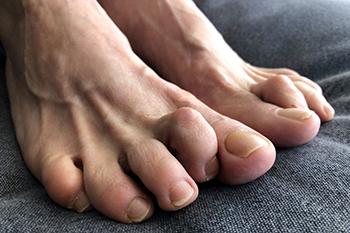
Hammertoe is a condition where one or more toes become bent at the middle joint, resembling a hammer. It often develops from wearing tight shoes or high heels that force the toes into a curled position. Causes may also include muscle imbalance, trauma, or arthritis. Symptoms include pain, stiffness, swelling, and difficulty wearing shoes. Risk factors include age, foot structure, and a history of foot problems. If left untreated, the joint can become rigid and require surgery to correct the problem. A podiatrist can evaluate the severity, recommend proper footwear, suggest exercises, or provide splints or custom orthotics. If you have symptoms of hammertoe, it is suggested that you consult a podiatrist who can offer effective treatment solutions.

Hammertoe

Hammertoes can be a painful condition to live with. For more information, contact George Tellam, DPM from Ankle & Foot Associates. Our doctor will answer any of your foot- and ankle-related questions.

Hammertoe is a foot deformity that affects the joints of the second, third, fourth, or fifth toes of your feet. It is a painful foot condition in which these toes curl and arch up, which can often lead to pain when wearing footwear.

Symptoms

  • Pain in the affected toes
  • Development of corns or calluses due to friction
  • Inflammation
  • Redness
  • Contracture of the toes

Causes

Genetics – People who are genetically predisposed to hammertoe are often more susceptible

Arthritis – Because arthritis affects the joints in your toes, further deformities stemming from arthritis can occur

Trauma – Direct trauma to the toes could potentially lead to hammertoe

Ill-fitting shoes – Undue pressure on the front of the toes from ill-fitting shoes can potentially lead to the development of hammertoe

Treatment

Orthotics – Custom made inserts can be used to help relieve pressure placed on the toes and therefore relieve some of the pain associated with it

Medications – Oral medications such as anti-inflammatories or NSAIDs could be used to treat the pain and inflammation hammertoes causes. Injections of corticosteroids are also sometimes used

Surgery – In more severe cases where the hammertoes have become more rigid, foot surgery is a potential option

If you have any questions, please feel free to contact our offices located in Orange Park and Jacksonville Beach, FL . We offer the newest diagnostic and treatment technologies for all your foot care needs.

Read more about Hammertoe
scroll to top